
Awareness

Safety & awareness

Build everyday safety habits: signs, privacy online, fire safety, and medical basics — so you prevent problems before they happen.

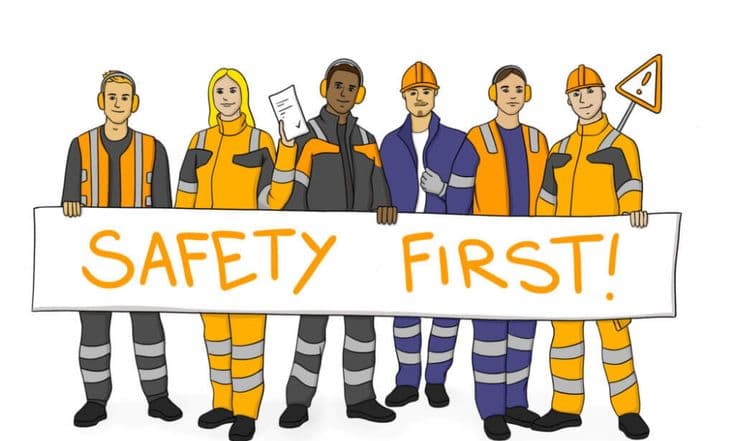
Safety first

What most people do

Many people treat safety as something to think about only after an accident. But safety works best when it’s a daily habit.

Common patterns include:

  • Ignore signs and rules because “nothing happened last time”
  • Share personal info online without thinking
  • Delay fixing small hazards (wires, slippery floors, blocked exits)
  • Panic during emergencies instead of following simple steps
  • Assume someone else will handle it

For example:

  • A fire alarm sounds and people use the lift instead of stairs.
  • Someone posts their location publicly and attracts unwanted attention.

Safety becomes easy when your habits are ready before the emergency starts.

Simple steps (everyday safety)

  1. Notice

    Look for signs, exits, hazards, and unsafe shortcuts (wet floors, blocked stairs, exposed wires).

  2. Reduce risk

    Fix what you can now (move away, report it, use safer routes, set privacy settings).

  3. Prepare

    Know emergency numbers, exits, and basic responses (fire, injury, online privacy).

  4. Act calmly

    In emergencies: slow down, follow the steps, and help others only if it’s safe.

Everyday safety situations
Privacy safety

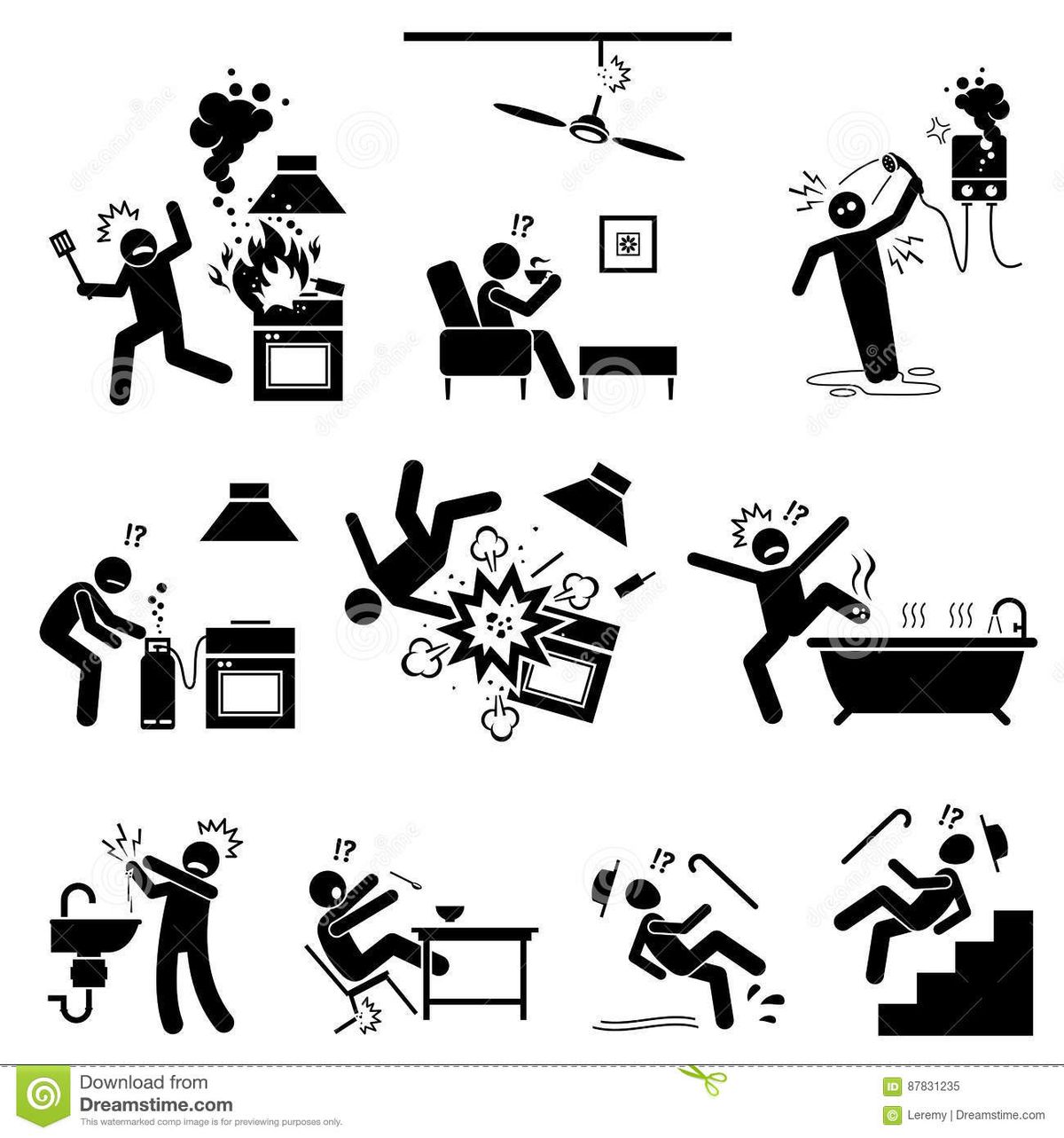
Everyday safety: notice hazards early

Safety starts before the emergency. Spot small hazards early and remove risk before it becomes a problem.

Look for blocked exits, slippery floors, loose wires, and unsafe shortcuts — and fix or report them quickly.

Small daily habits prevent most accidents and reduce panic when something goes wrong.

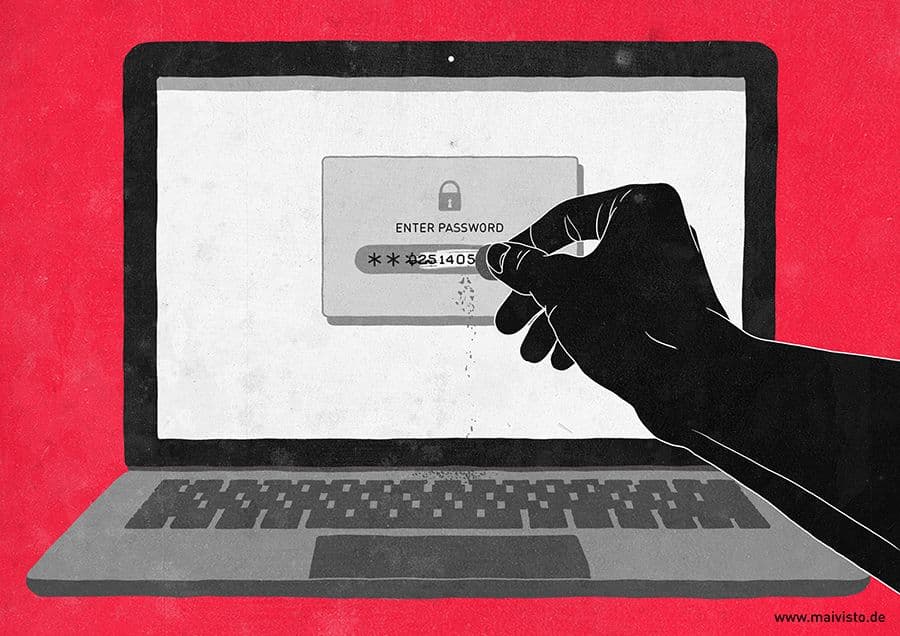
Privacy safety: protect your information

Online safety is real-world safety. Protect your personal data like your home address.

Avoid posting location in real time. Keep accounts private when possible.

Use strong passwords and enable 2-factor authentication.

Medical basics: small steps matter

Knowing simple first-aid basics reduces panic and prevents bigger harm.

For minor injuries: clean, cover, and get help if symptoms worsen.

Keep emergency numbers saved and share them with family members.

Practise this for 7 days

  1. Day 1–2

    Learn signs and exits. In any building, locate stairs, exits, and fire equipment.

  2. Day 3–4

    Privacy check. Review your phone/social media privacy, turn off public location sharing, and set strong passwords.

  3. Day 5–7

    Fire + medical basics. Learn extinguisher basics, first-aid essentials, and what to do in a minor injury.

Quick rules of thumb

Use these daily habits to prevent emergencies — and stay calm if one happens.

Safety awareness

What to do

  • Read signs and follow basic rules
  • Keep exits and stairways clear
  • Keep personal info private online
  • Know emergency numbers and routes
  • Stay calm and act step-by-step

What not to do

  • Ignore hazards because you’re in a hurry
  • Use lifts during fire alarms
  • Share location publicly in real time
  • Assume someone else will help first
  • Panic and make fast unsafe choices

Real-life examples

  • Scenario

    You notice a slippery floor or a blocked exit.

    Try this

    Avoid the area, warn others, and report it. Small hazards are how big accidents start.

  • Scenario

    A fire alarm starts and people hesitate.

    Try this

    Move to stairs, follow exit signs, and keep moving calmly. Don’t wait to ‘see if it’s real’.

Questions people often ask

What are the most important safety rules?

Know exits, follow signs, keep your phone charged, protect your privacy, and avoid risky shortcuts. Consistent small habits prevent most problems.

How do I stay safe online?

Use strong passwords, enable 2FA, avoid public location sharing, and keep personal details private (address, school/work schedule, ID info).

What should I do first in an emergency?

Stay calm, move to safety, and call for help. Your first goal is to reduce danger — then help others if it’s safe.