
Emotional intelligence

Staying calm under pressure

Stay mentally clear and emotionally balanced when stress spikes — so you respond with control, not impulse.

Staying calm under pressure

Practise this for 7 days

  1. Day 1–2

    Notice your stress signals (tight chest, rushed speech, irritation). Do not fix — just observe.

  2. Day 3–4

    Use the 4–2–6 breathing technique once per day when you feel pressure.

  3. Day 5–7

    Add the pause rule: wait 2–5 seconds before you reply in any tense moment.

What most people do

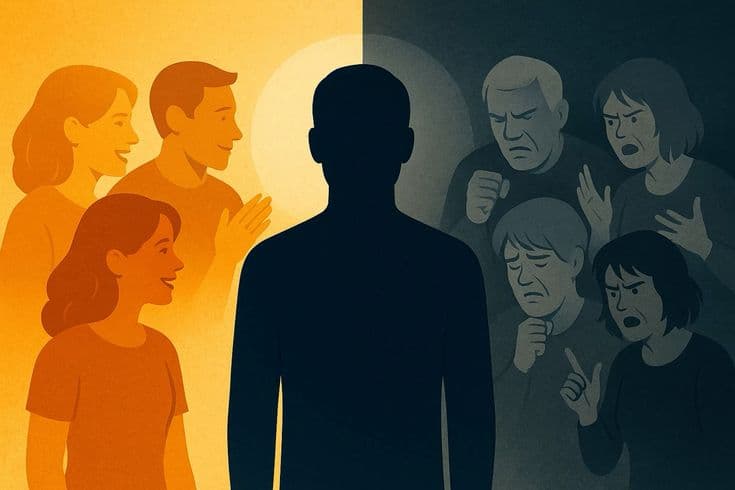
When faced with pressure, most people react automatically instead of thinking clearly.

Common patterns include:

  • Impulsive reactions — saying things they regret in anger
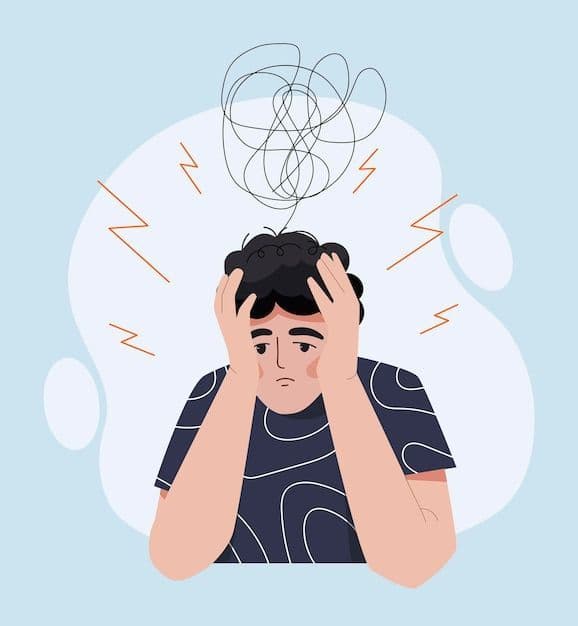
  • Overthinking — imagining worst-case scenarios
  • Emotional flooding — letting stress or panic take over
  • Avoidance — delaying decisions or escaping the situation
  • Blaming others — shifting responsibility instead of handling it

For example:

  • A small disagreement turns into a heated argument because neither person pauses.
  • A mistake at work leads to panic instead of a solution-focused approach.

In these moments, emotions overpower logic.

Calm under pressure
Breathing and focus

What calm under pressure really means

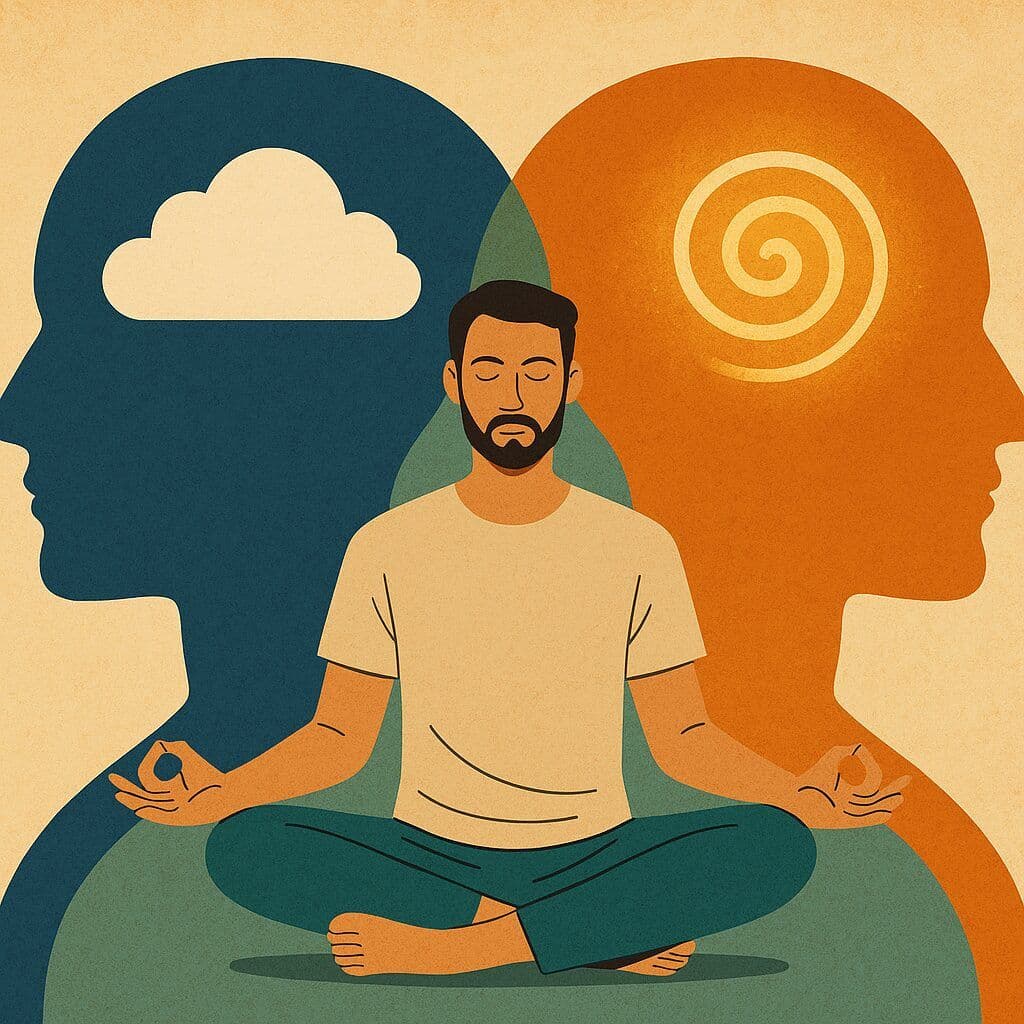
Calm is not the absence of emotion — it is emotional control: you feel the stress, but it does not control your behaviour.

When pressure rises, your body pushes you toward fast reactions. Calm people still feel adrenaline — they just give themselves a moment to think before acting.

The goal is clarity: respond with purpose, not impulse.

Breathing is a reset button

Slower breathing signals safety to your brain, reducing panic and helping you think clearly.

Try: inhale 4 seconds → hold 2 → exhale 6. Repeat 4–5 times.

Do it before replying to a message, speaking in a tense moment, or making a decision under stress.

Shift from overwhelm to control

Pressure grows when you try to handle everything at once. Calm grows when you choose the next small step you can control.

Ask: “What can I do right now?” and “What’s the next small step?”

This breaks the spiral and turns stress into action.

How to stay calm (simple steps)

  1. Pause before you react

    Give yourself 2–5 seconds. Your first reaction is usually emotional, not your best decision.

  2. Control your breathing

    Inhale 4 → hold 2 → exhale 6. Repeat 4–5 times to reduce intensity and think clearly.

  3. Name what you feel

    Say it internally: “I’m stressed because this is uncertain.” Naming creates clarity and control.

  4. Focus on the next step

    Ask: “What can I control right now?” Choose one small action and respond with purpose.

Quick rules of thumb

Use this as a fast reminder when pressure hits: pause, breathe, name the emotion, and choose the next controllable step.

Do and don’t checklist

What to do

  • Pause before reacting.
  • Slow your breathing.
  • Name what you feel.
  • Focus on the next small step.

What not to do

  • React instantly.
  • Spiral into worst-case thinking.
  • Try to control everything.
  • Suppress emotions instead of guiding them.

Real-life example

  • Scenario

    You receive harsh feedback from your manager.

    Try this

    Instead of getting defensive, pause, listen fully, then respond: “Got it — I understand the concern. I’ll improve this.” Reflect later on what’s valid.

  • Scenario

    A small disagreement starts turning into an argument.

    Try this

    Pause, lower your voice, and ask one clarifying question. The goal is control, not winning the moment.

Questions people often ask

Does staying calm mean I should not feel emotions?

No. Calm means you feel emotions but you do not let them control your actions. You guide the emotion instead of suppressing it.

What is the fastest way to calm down in the moment?

Pause and slow your breathing. Even 4–5 rounds of inhale 4 → hold 2 → exhale 6 can reduce intensity quickly.

Why do I say the wrong thing when I’m under pressure?

Stress narrows attention and pushes your brain toward fast “survival” responses. A short pause and slower breathing gives your thinking time to come back online.

How do I stop overthinking worst-case scenarios?

Bring your mind back to what is real and controllable: “What is the next small step I can take right now?” Worst-case thinking feels productive, but usually adds anxiety without improving outcomes.

What if the situation is genuinely high-stakes?

Calm does not mean slow or passive. It means controlled. Reduce intensity first (pause + breath), then act clearly: one sentence, one decision, one next step.

Can I build this skill if I’m naturally emotional?

Yes. Emotional intensity is not the problem — impulsive reactions are. With practice (especially in small daily stress), you can feel strongly and still respond with control.

How long does it take to improve?

Many people notice small changes within 1–2 weeks if they practise one technique daily. Bigger change comes from repeating the same calm habits across real situations.