
Emotional intelligence

Understanding your own mind

Become aware of how you think, feel, and react — and build the habit of observing patterns instead of running on autopilot.

Understanding your own mind

Practise this for 7 days

  1. Day 1–2

    Observe your reactions. Notice when you feel triggered—anger, stress, irritation. Don’t change anything yet, just observe.

  2. Day 3–4

    Identify patterns. Ask: “When do I react like this?” Look for repeated situations or people.

  3. Day 5–6

    Pause and question. Before reacting, ask: “Why am I feeling this?” and “Is this reaction helping me?”

What most people do

Most people react without thinking, assume their thoughts are always correct, and repeat the same patterns without reflection.

Common patterns include:

  • React without thinking
  • Assume their thoughts are always correct
  • Let emotions decide actions
  • Repeat the same mistakes without reflection
  • Blame situations or others instead of understanding themselves

For example:

  • Someone gets ignored in a conversation and instantly thinks “They don’t respect me,” leading to frustration—without considering other possibilities.

Self-awareness creates choice. Without it, your reactions feel automatic.

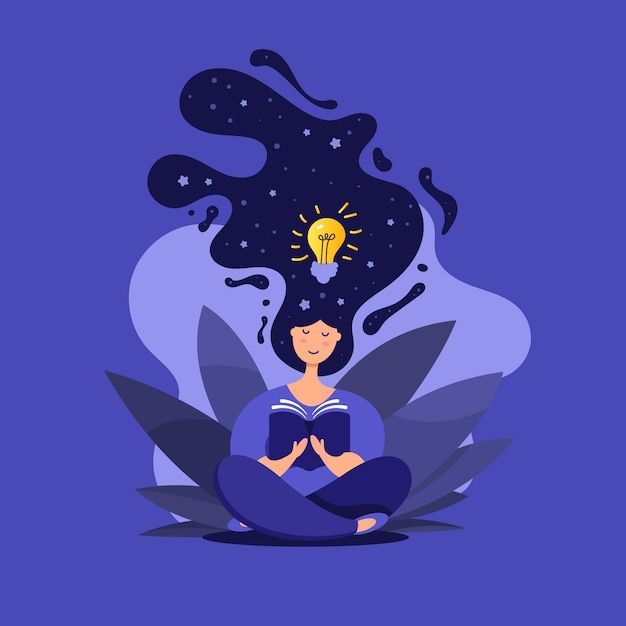
Mind and awareness
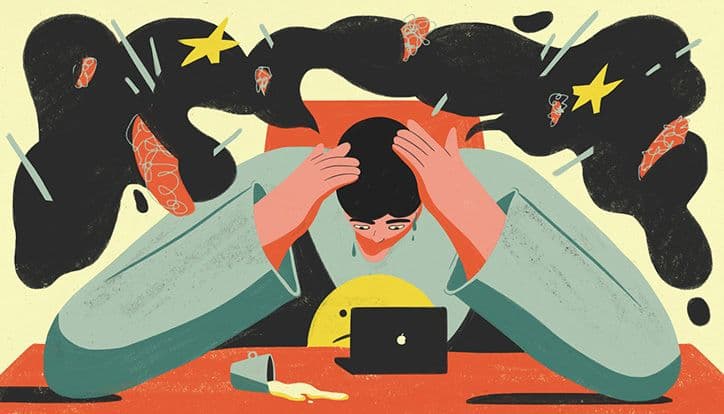
Stress and triggers

Start observing, not judging

Don’t label thoughts as good or bad. Notice them. Awareness creates space between a thought and a reaction.

Your mind produces thoughts constantly. If you treat every thought as truth, your emotions and actions get pulled around all day.

Observation is the first skill: “I’m having the thought that…” instead of “This is reality.”
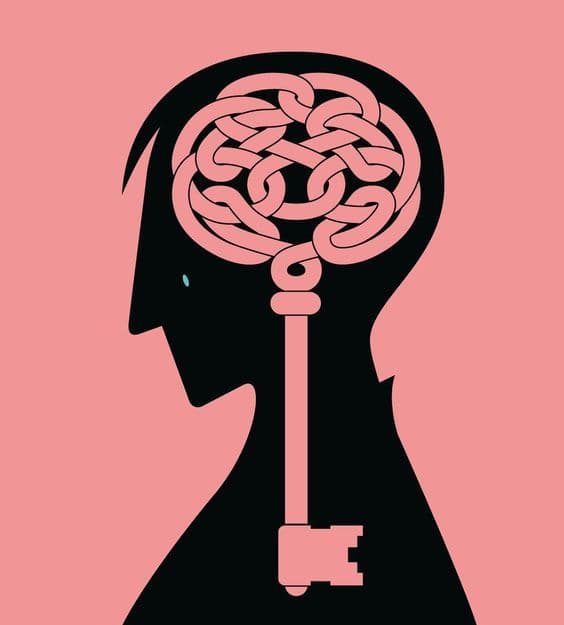
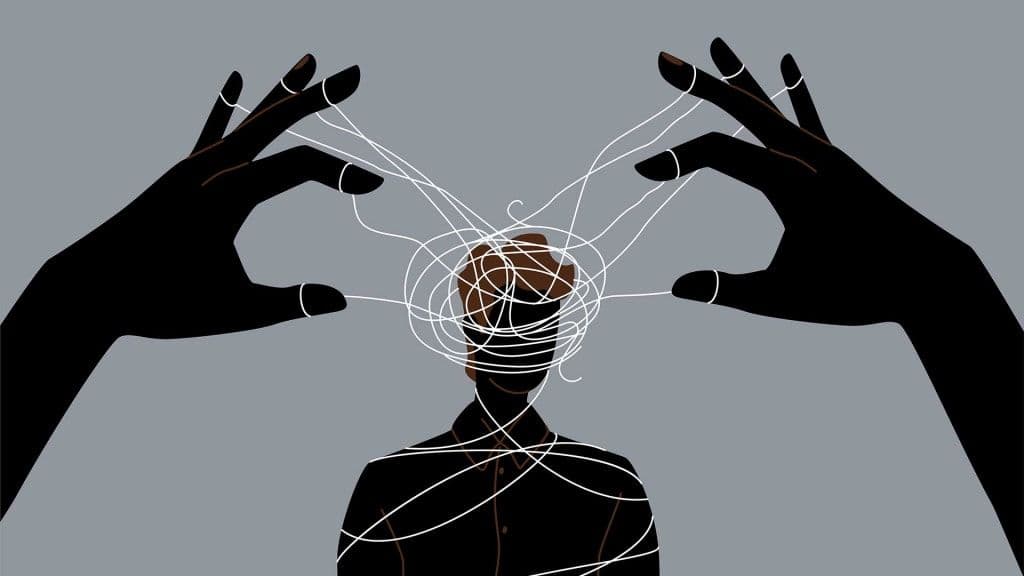
Identify triggers and repeating patterns

Strong reactions are often habits. When you notice what triggers you, you can change how you respond.

Ask: When do I get irritated, defensive, or anxious? Who is involved? What story does my mind tell?

Patterns repeat until they are seen. Seeing the pattern is the start of control.

Separate thought from reality

Thoughts are interpretations. Facts are what you can verify. Confusing the two creates unnecessary stress.

Example: “They’re ignoring me” is an interpretation. The fact is: “They haven’t replied yet.”

When you return to facts, you stay calmer and make better decisions.

How to understand your own mind (simple steps)

  1. Observe (don’t judge)

    Notice thoughts and emotions without labeling them as good or bad. Just collect data.

  2. Identify triggers

    Spot situations, people, or topics that cause strong emotional reactions.

  3. Separate thought from reality

    Ask: “Is this a fact… or my interpretation?”

  4. Pause + reflect

    Before reacting, choose a response. At the end of the day, reflect on what triggered you and what you’ll do differently next time.

Quick rules of thumb

Use these as quick reminders when your mind starts racing: observe, question, and choose your response.

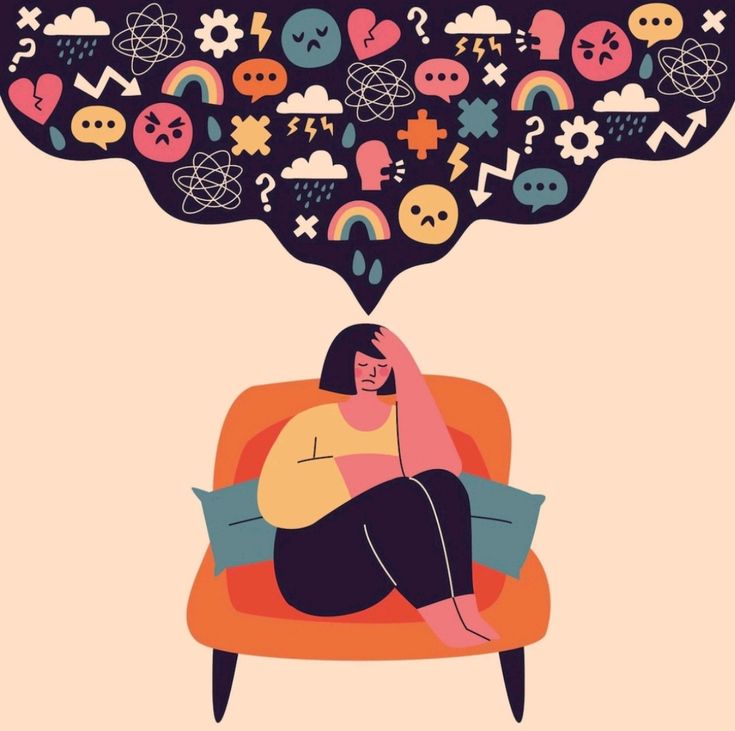
Mindfulness and self-awareness

Do

  • Observe your thoughts without immediately believing them
  • Question strong emotional reactions
  • Look for patterns in your behavior
  • Take responsibility for your responses
  • Stay curious about yourself

Don’t

  • Assume your first thought is always right
  • Ignore your emotions completely
  • Blame everything on others
  • Overanalyze every small thought
  • Expect instant change

Put it into practice

  • Scenario

    You are tired and worried you will come across cold during “Understanding your own mind”.

    Try this

    Name it briefly (“I’m low on energy today”) and keep one warm cue steady — voice pace, eye contact, or a short check-in question.

  • Scenario

    Someone misreads your intent and responds sharply.

    Try this

    Pause, reflect what you heard (“Sounds like you mean…”), then ask one clarifying question before defending yourself.

Questions people often ask

Why do I overthink so much?

Because your mind tries to predict outcomes and avoid uncertainty. Awareness helps you spot the loop and return to what’s real and controllable.

Can I really control my thoughts?

You can’t stop thoughts from appearing, but you can control which ones you focus on and act on.

Why do I react the same way again and again?

Because your brain follows learned patterns. Without awareness, those patterns repeat automatically.

How long does it take to understand my mind?

It’s ongoing, but even a few days of conscious observation can create noticeable change.

What if I don’t like what I discover about myself?

That’s part of growth. Awareness isn’t about judgment—it’s about improvement and better choices.