Women’s resources

Deepfake & blackmail

What to do if someone threatens you with deepfakes, leaks, or blackmail — step-by-step, with do/don’ts and evidence tips.

Deepfake awareness

What most people do

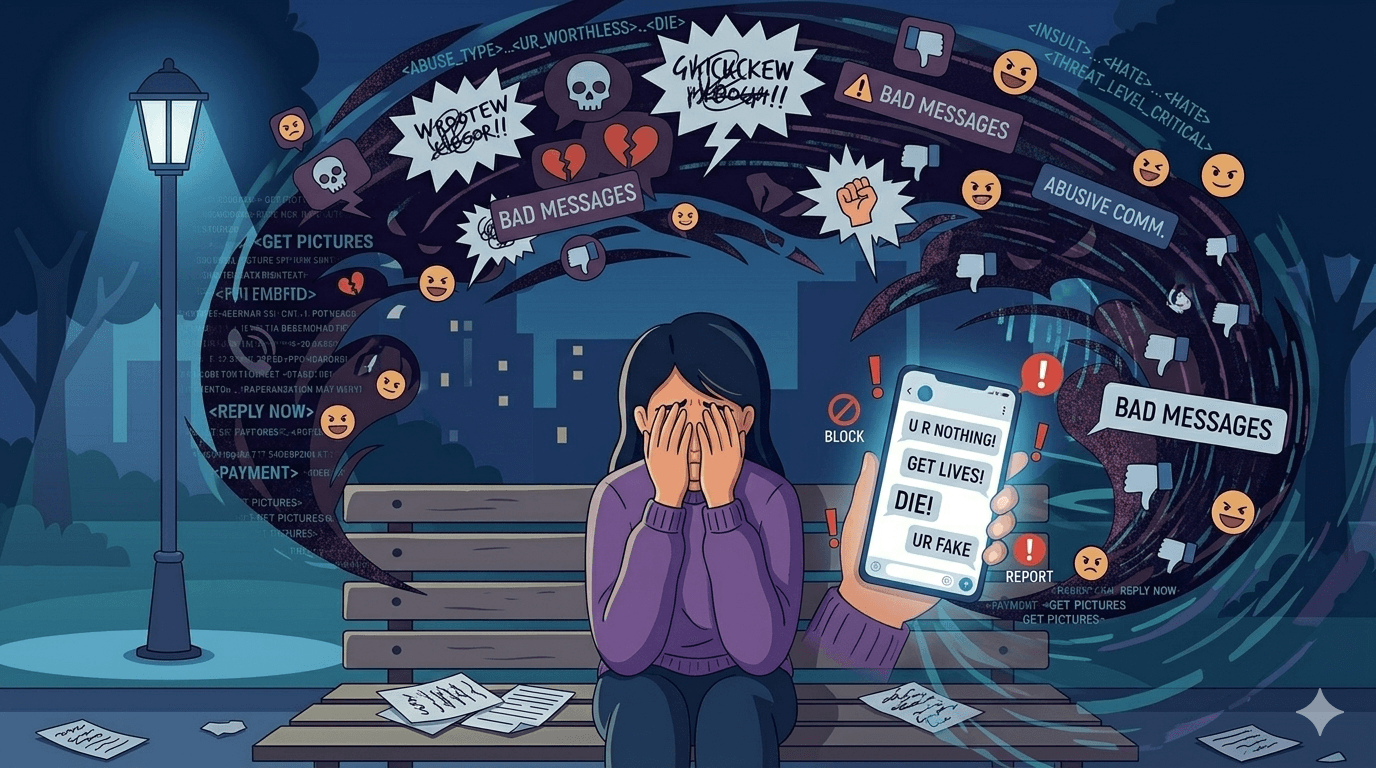
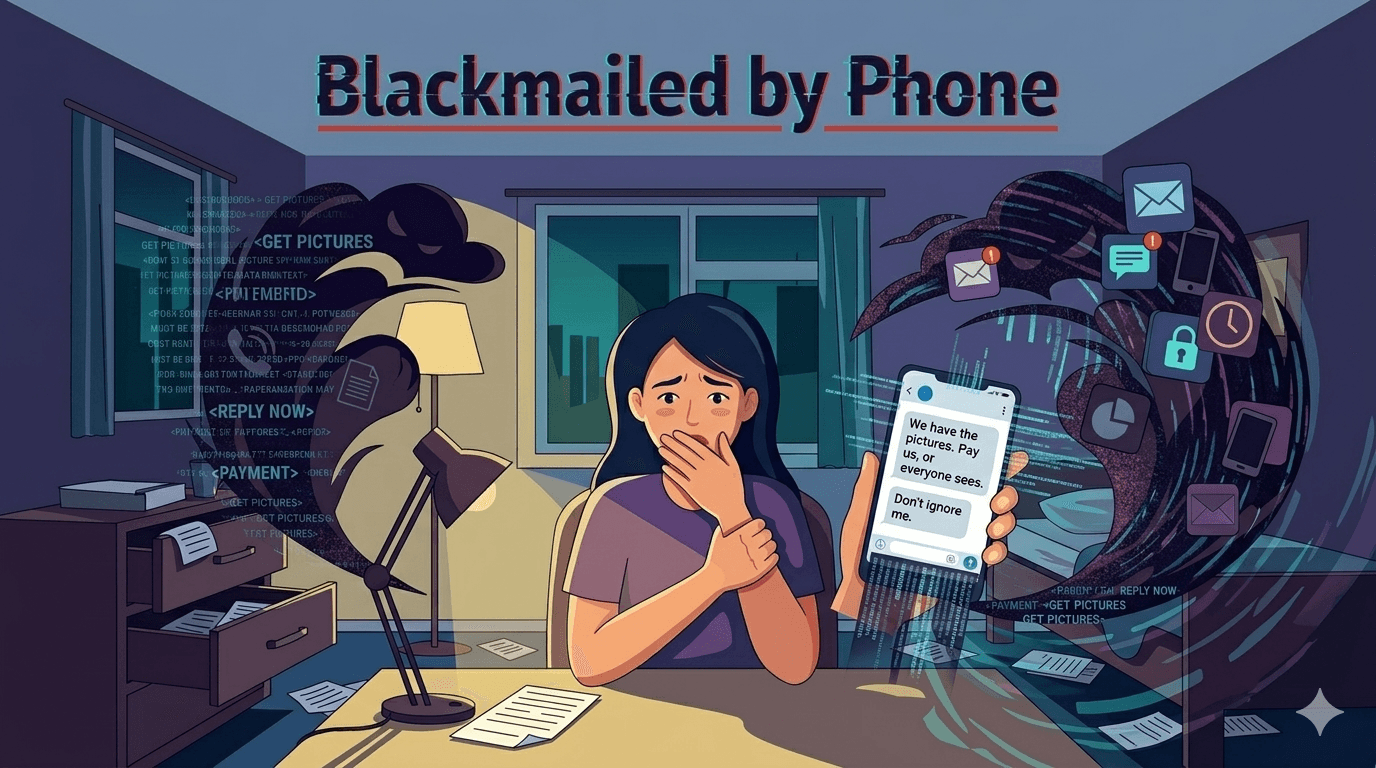
Blackmail works by panic. Many people respond quickly, pay money, or delete evidence — which gives the blackmailer more control.

Common patterns include:

  • Reply immediately in fear
  • Pay or negotiate
  • Delete chats/photos (losing evidence)
  • Keep it secret and isolate
  • Miss reporting windows because they hope it disappears

For example:

  • Someone threatens to share edited images unless you send money. You pay once, then they demand more.

Your safest move is calm evidence + reporting — not negotiation.

Simple steps (deepfake / blackmail)

  1. Don’t panic

    Pause. You are not alone. Blackmailers rely on rushing you.

  2. Save evidence

    Screenshot everything: usernames, numbers, messages, links, payment requests.

  3. Block + secure

    Block/report accounts, change passwords, enable 2FA, and review privacy settings.

  4. Report safely

    Use the complaint guide. Involve trusted support and official channels.

Blackmail threat
Do and don’t

Do not negotiate

Paying or bargaining often increases demands. Save evidence and report instead.

Blackmailers may bluff. Even if content exists, reporting and support is the safest path.

Involve a trusted person early so you’re not alone in the decision.

Evidence is your protection

Screenshots, links, usernames, and timestamps help platforms and authorities act.

Save everything before blocking. If they delete messages later, you still have proof.

Secure your accounts immediately (passwords + 2FA) to stop account takeovers.

Practise this for 7 days

  1. Day 1–2

    Secure accounts (strong passwords + 2FA) and review social privacy.

  2. Day 3–4

    Clean exposure: remove public phone/address details and restrict who can message you.

  3. Day 5–7

    Learn the reporting path: save evidence → block → report → support.

Quick rules of thumb

Calm steps beat panic: save evidence, secure accounts, block, and report.

Deepfake do and dont

What to do

  • Screenshot everything
  • Tell a trusted person
  • Block and report accounts
  • Change passwords + enable 2FA
  • Use the complaint guide to report

What not to do

  • Pay money or negotiate
  • Send more photos or information
  • Delete evidence before saving
  • Stay silent and isolate
  • Click unknown links they send

Real-life examples

  • Scenario

    Someone threatens to publish a deepfake.

    Try this

    Save evidence, block/report the account, secure your accounts, and use the complaint guide to file a report.

Questions people often ask

What if they already posted something?

Save the link/screenshots, report on the platform, and use official reporting channels. Don’t negotiate — focus on takedown + evidence.

Should I pay to make it stop?

Usually no. Payment often increases demands. Evidence + reporting is safer.