Women’s resources

Domestic violence

Recognize patterns, protect yourself safely, plan exits, and get support — without blame or shame.

Domestic violence awareness

What most people do

Many people minimize abuse, hope it will change, or stay silent due to fear, finances, children, or social pressure.

Common patterns include:

  • Apologize and take blame to “keep peace”
  • Hide injuries or incidents
  • Tell themselves it’s a one-time event
  • Avoid seeking help because they fear escalation
  • Lose support by isolating over time

For example:

  • After an incident, the person promises to change and is kind for a while, but the cycle repeats.

Abuse often follows cycles. Planning quietly and getting support increases safety.

Simple steps (safety-first)

  1. Name it

    Abuse is not your fault. Recognize patterns: control, threats, isolation, harm.

  2. Reduce risk

    Choose safer times/places, avoid escalating arguments, plan exits quietly.

  3. Build support

    Tell one trusted person. Save helpline numbers. Keep documents safe.

  4. Get help

    Use the safest channel available — and prioritize leaving safely over “winning”.

Domestic violence support
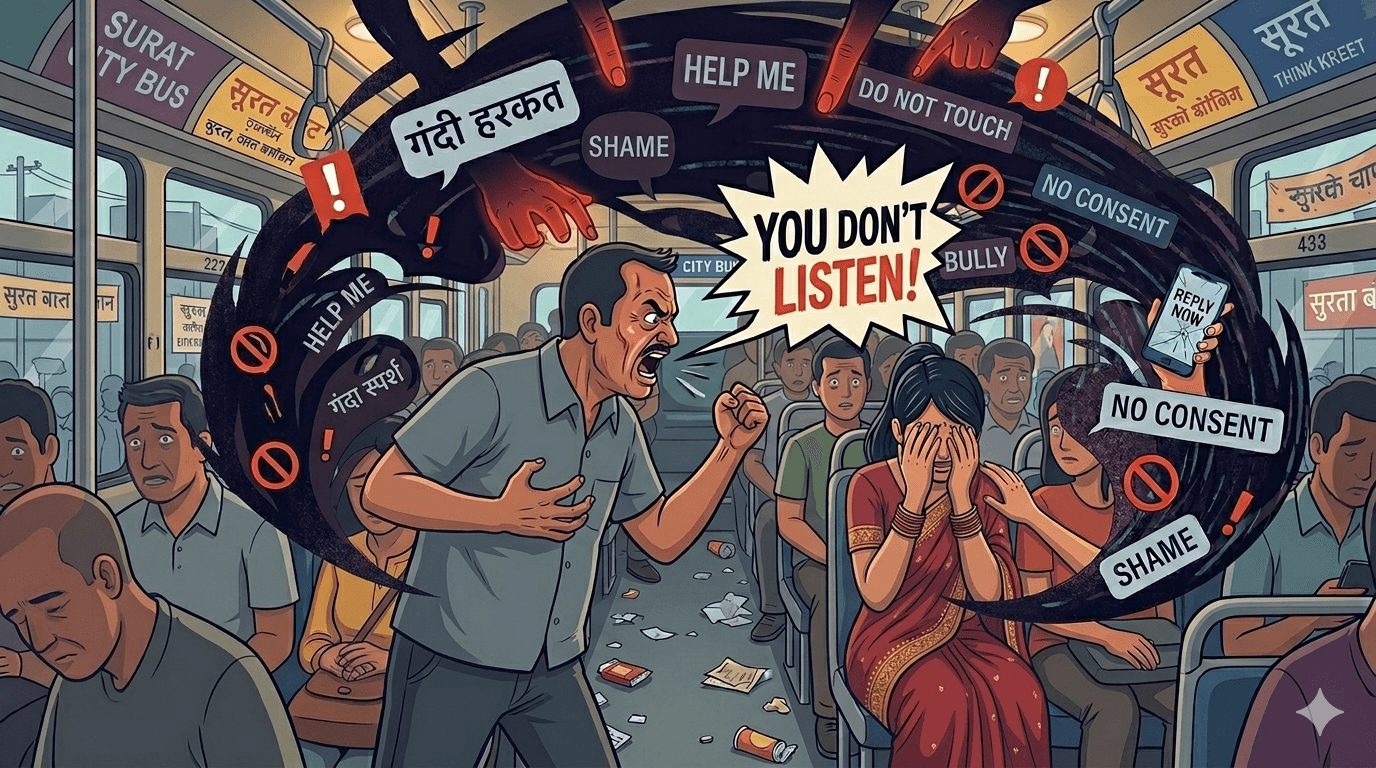
Verbal and emotional abuse

Control is a red flag

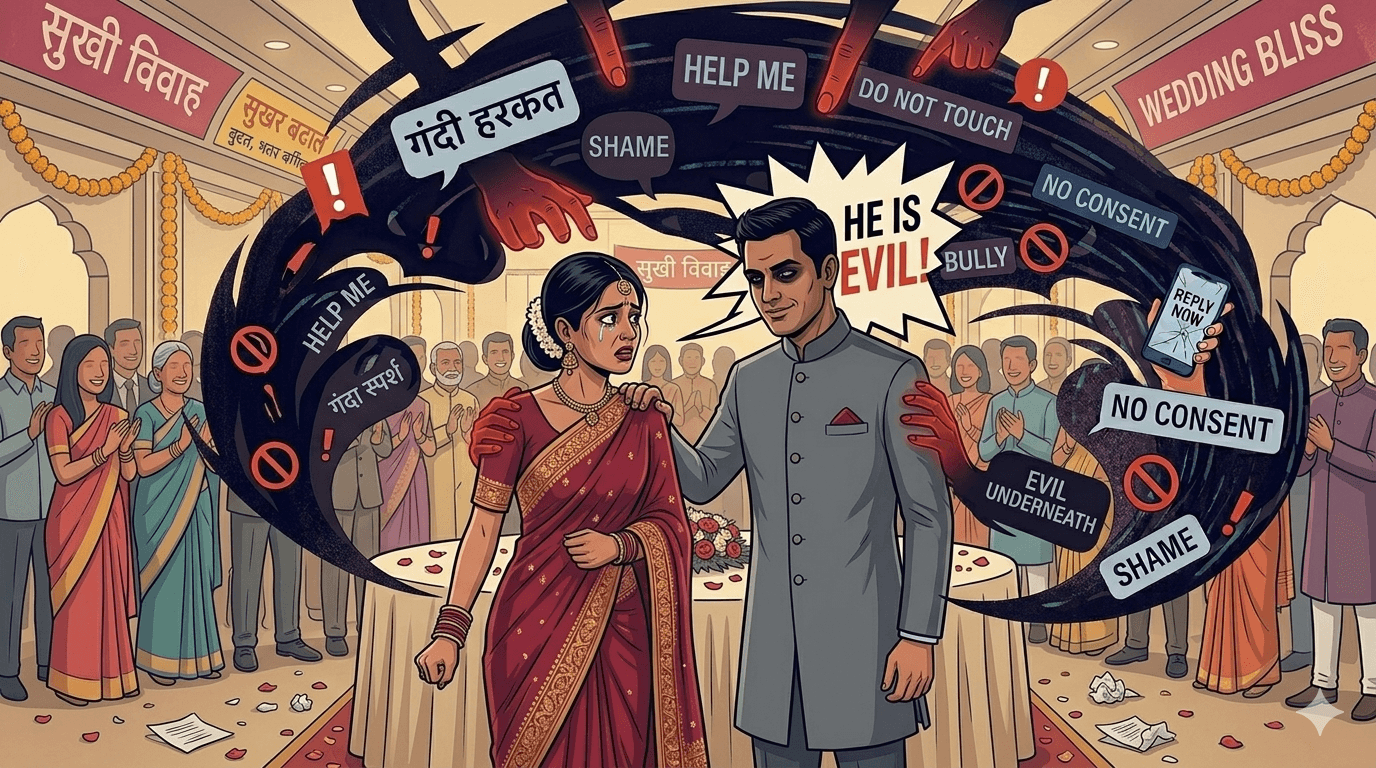
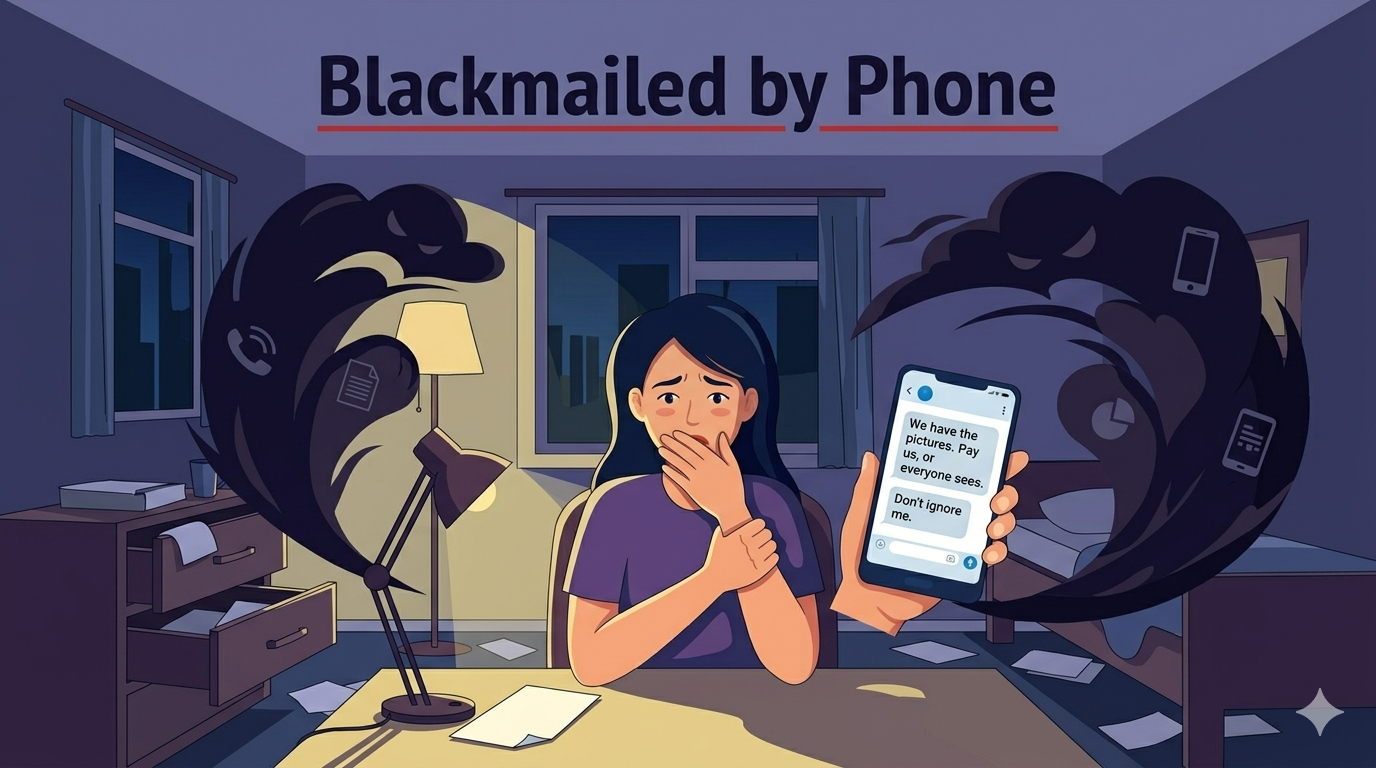
Abuse often includes control: limiting movement, money, friends, phone, or decisions — not just physical harm.

Control can look like checking your phone, monitoring your location, restricting money, stopping you from meeting friends, or deciding what you wear and where you go.

Emotional abuse counts: humiliation, insults, threats, constant blaming, or making you feel “crazy” for normal reactions.

Unequal household load can be a control tactic too: forcing you to do exhausting work, refusing help, and then punishing you when you can’t keep up.

If you feel unsafe, your feelings matter. You don’t need “proof” to seek support. Quiet planning and trusted support can reduce danger during exits.

Abusive words and patterns are harm

Repeated insults, threats, and intimidation can be as damaging as physical violence — and often escalate over time.

Examples include: calling you names, mocking you in front of others, threatening self-harm to control you, destroying belongings, or using children/family to pressure you.

A safe plan is practical: identify safer rooms/exits, keep essentials accessible, and choose support people you can contact quickly.

Practise this for 7 days

  1. Day 1–2

    Save emergency contacts and a safe person’s number under a neutral name.

  2. Day 3–4

    Prepare essentials quietly (ID, money, keys, medicines) and keep them accessible.

  3. Day 5–7

    Create a safe plan: where to go, who to call, and what to do if things escalate.

Need help filing a complaint?

Use our complaint guide for step-by-step help: what to save, what to write, and where to report safely.

Quick rules of thumb

Safety first: plan quietly, keep support close, and prioritize leaving risky moments.

Domestic violence safety

What to do

  • Tell one trusted person
  • Keep important documents accessible
  • Plan exits and safe places quietly
  • Save evidence safely (if it doesn’t increase risk)
  • Use professional support and helplines

What not to do

  • Confront during unsafe moments
  • Announce plans if it increases danger
  • Isolate yourself completely
  • Assume it will change without action
  • Stay in immediate danger to “prove a point”

Real-life examples

  • Scenario

    Arguments escalate at home.

    Try this

    Move toward safer rooms/exits, avoid spaces with weapons, and call a trusted person. Leave if possible.

  • Scenario

    You want to report but fear backlash.

    Try this

    Use the complaint guide and trusted support. If risk is high, prioritize safe exit planning first.

Questions people often ask

What if I depend on them financially?

Financial dependence is common. Start with support: trusted people, local services, and a quiet plan for essentials and safety.

Is emotional abuse “real” abuse?

Yes. Threats, control, humiliation, and isolation can be harmful and often escalate. You deserve support.