Women’s resources

Harassment

Bad touch, public transport, crowds, workplace harassment — what to do in the moment and how to report safely.

Harassment awareness

What most people do

Harassment often triggers shock. Many people freeze, try to ignore it, or blame themselves — which makes the situation feel even more powerless.

Common patterns include:

  • Freeze and stay silent
  • Try to “be polite” to avoid escalation
  • Doubt themselves (“Maybe I’m overreacting”)
  • Avoid reporting because it feels complicated
  • Delete evidence because they just want to forget

For example:

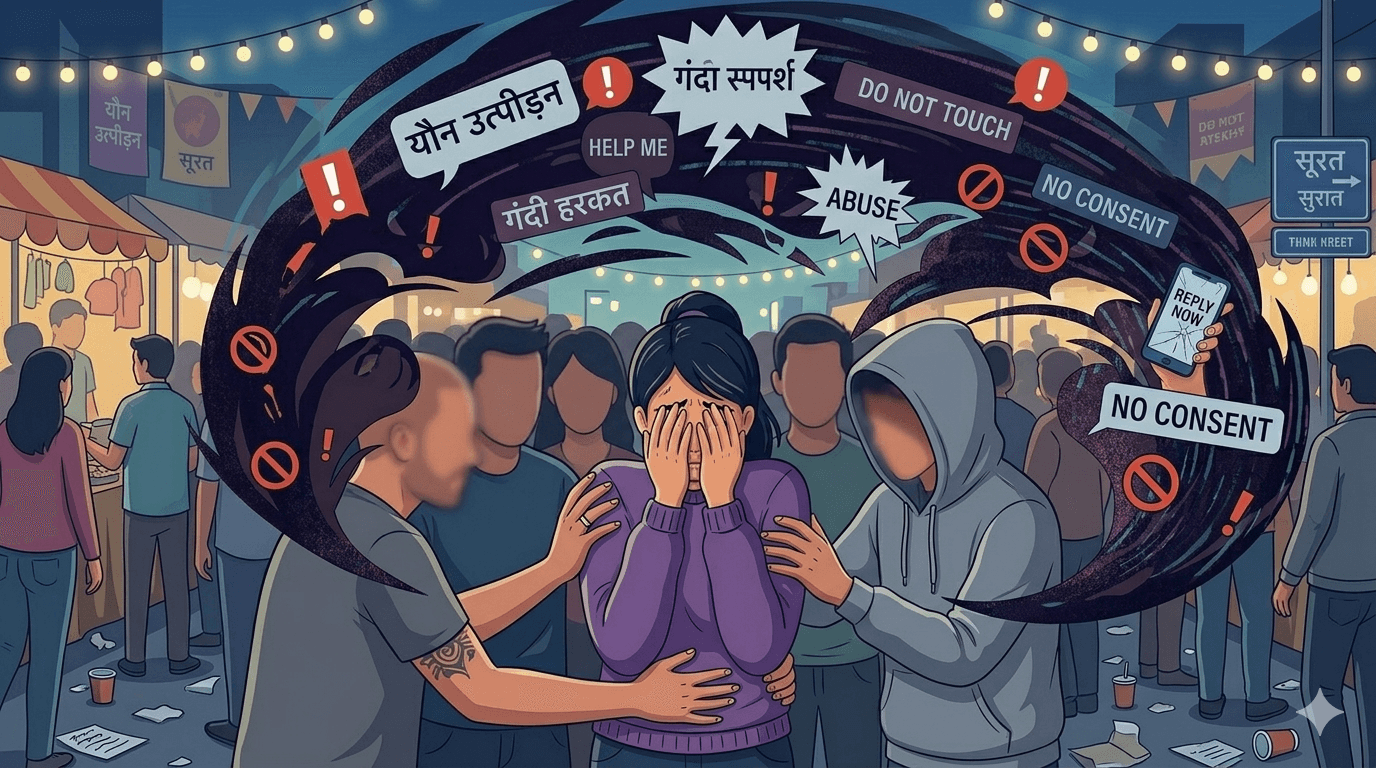
  • On a crowded bus, someone touches you inappropriately. You freeze and move away silently, but they follow because there’s no clear boundary.
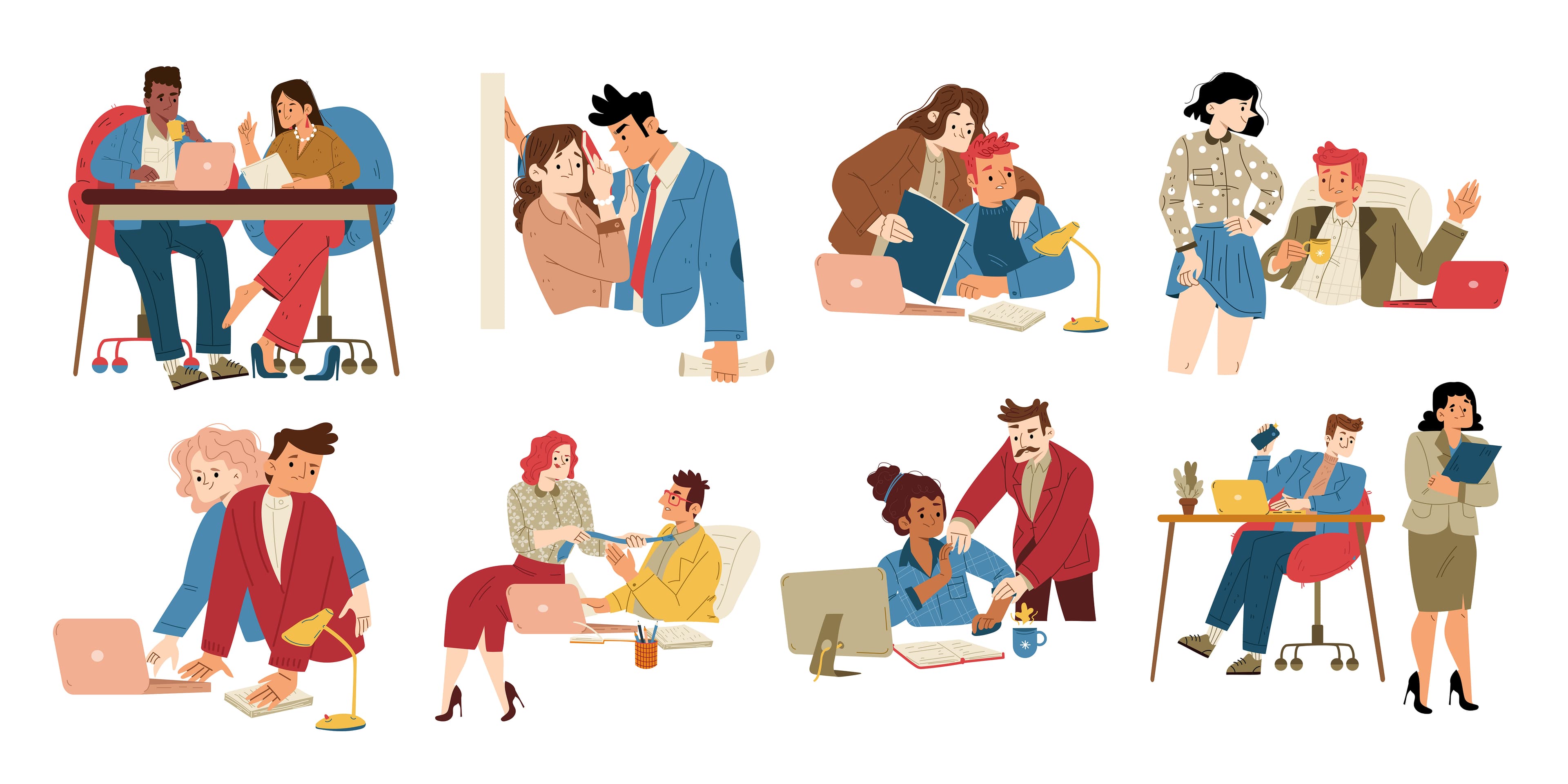
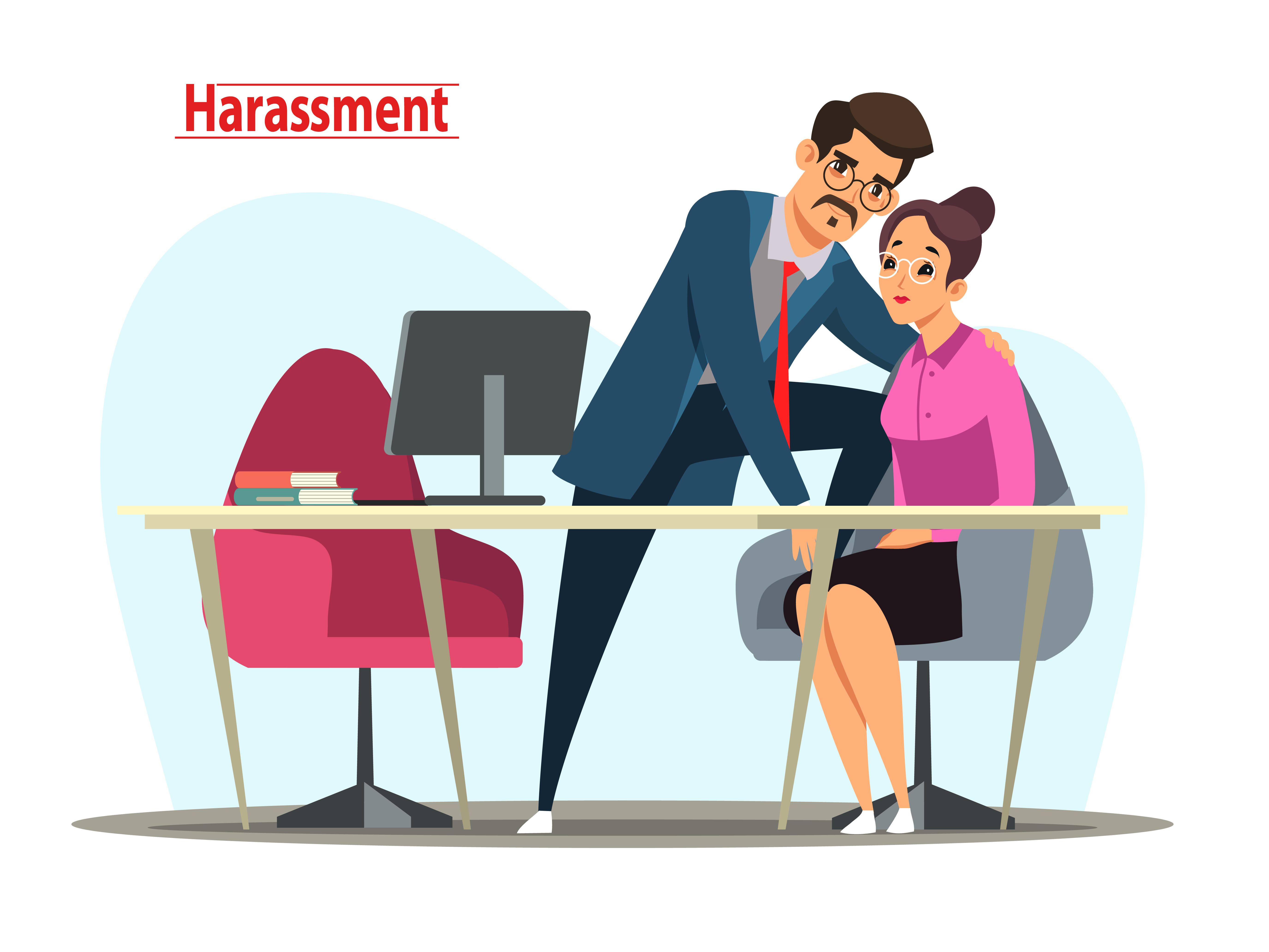
  • At work, repeated comments make you uncomfortable, but you stay quiet to avoid “drama”.

A clear boundary + quick action is safer than waiting for it to stop on its own.

Simple steps (in the moment)

  1. Create space

    Move away, change position, or step toward safer people/areas.

  2. Use one clear sentence

    Say: “Stop.” “Don’t touch me.” “Move back.” Loud and direct.

  3. Get support fast

    Call a trusted person, alert staff, or move near authority/security.

  4. Document + report

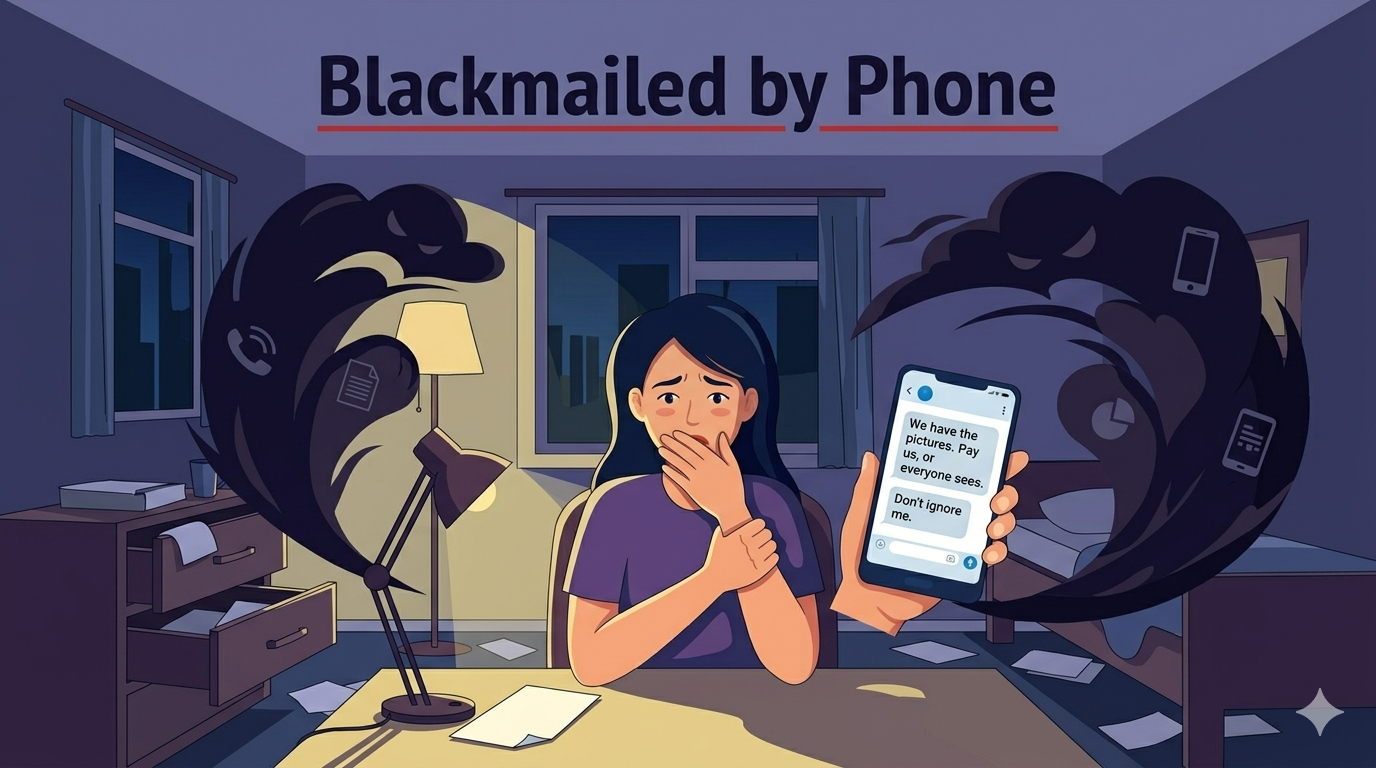
    Write facts, save screenshots, note time/place, and use a safe channel.

Harassment and bad touch
Verbal harassment

Bad touch and unwanted contact

If it’s unwanted, it’s not “small”. You are allowed to create distance and say stop immediately.

Shock is normal. A simple move + one clear sentence often stops repeat behavior.

Prioritize safety: move toward people, staff, cameras, or exits.
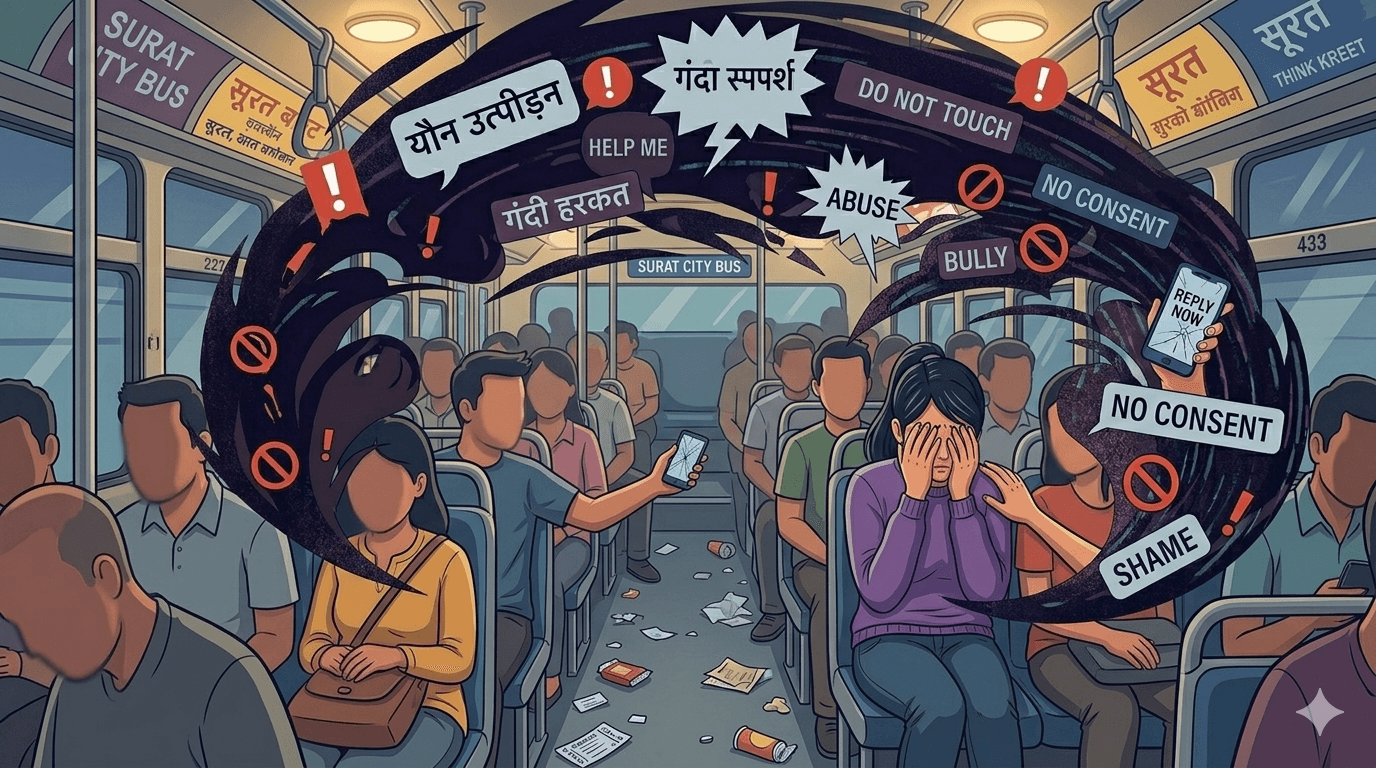
Verbal harassment and pressure

Comments, threats, and repeated “jokes” are harassment when they target you and don’t stop.

You don’t need to argue. A boundary + leaving is often safest.

If it’s workplace-related, document dates and exact words, then use the right channel.

Practise this for 7 days

  1. Day 1–2

    Save emergency numbers + choose 2 trusted contacts you can call quickly.

  2. Day 3–4

    Practise boundary phrases out loud (“Stop.” “Don’t touch me.” “Back off.”).

  3. Day 5–7

    Plan safer routes and options (near exits, well-lit areas, transport choices).

Quick rules of thumb

Use these as a reminder: your safety first, clear boundaries, and evidence matters.

Harassment safety rules

What to do

  • Move toward safety (people, staff, exits)
  • Use one clear sentence: “Stop.”
  • Call or alert someone quickly
  • Document facts and keep evidence
  • Report through a safe channel

What not to do

  • Stay silent if the person keeps escalating
  • Blame yourself for someone else’s behavior
  • Argue for a long time in unsafe places
  • Delete messages/photos that are evidence
  • Wait until it becomes “serious enough”

Real-life examples

  • Scenario

    Crowd harassment in public transport.

    Try this

    Move near the driver/guard, turn toward a safer group, say “Stop” loudly, and get off at a safer stop if needed.

  • Scenario

    Office harassment (comments, pressure, repeated messages).

    Try this

    Document dates/messages, tell a trusted colleague, and use formal channels. If unsafe, prioritize leaving and support.

Questions people often ask

What if I freeze and can’t speak?

Freezing is a normal stress response. Start with movement: step away, go to staff/people, call someone. You can act without words.

Should I report immediately?

If it’s safe, yes. If it’s not safe, leave first. Your safety comes before reporting.

What evidence should I keep?

Screenshots/messages, dates, time, location, witness names, and any photos of injuries or damage (if safe to take).